Wonderful Roller Coaster
A roller coaster is a type of amusement ride. It employs a form of elevated railroad track. The track carries passengers on a train through tight turns, steep slopes, and other elements. These are usually designed to produce a thrilling experience. It’s a staple attraction in theme parks worldwide, attracting millions of thrill-seekers every year.
Trains consist of open cars connected in a single line, and we can find rides in theme parks around the world. Tracks are typically built and designed as a complete circuit in which trains depart from and return to the same loading station. One variation, a shuttle roller coaster, reverses at some point throughout the course of the ride to traverse the same track backward.
The concept of roller coasters dates back to 16th-century Russia, where ice slides were built for entertainment. The modern roller coaster evolved in the 19th and 20th centuries, with the first gravity-powered railway-style coaster appearing in Pennsylvania, USA in the 1800s. Since then, roller coasters have become more technologically advanced, featuring steel and wooden structures, looping elements, and extreme speeds.
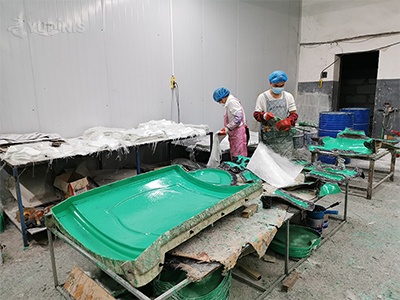
producing
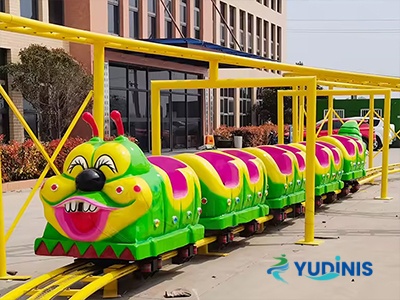
wacky worm coaster
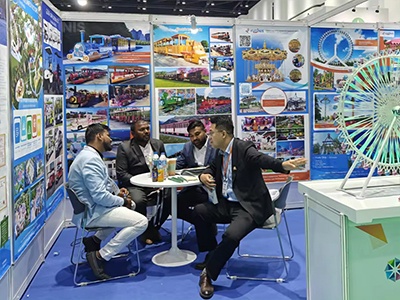
introduction
Key Specifications of Popular Roller Coaster Models
Roller coasters come in a wide variety of designs, each engineered to deliver a different kind of rush. Whether you’re captivated by the dizzying heights of a vertical drop coaster or the playful undulations of a wacky worm ride, understanding their technical details can help you appreciate the craftsmanship behind each experience. Below are the main data specifications you’ll often encounter:
- Capacity: Most coasters seat between 8 and 20 riders per train, depending on the model. Family-style and children’s coasters tend to carry more, while intense thrill rides focus on smaller groups for safety and pacing.
- Power Requirements: Power consumption varies greatly, but you’ll typically see ranges from about 1.5 kW for smaller models to 30 kW for the largest, high-thrill coasters.
- Track Length: Track designs span everything from a short 30 meters (often seen in backyard or compact models) up to an impressive 780 meters or more for multi-element suspended coasters.
- Speed: Speed is what transforms a simple circuit of rails into a hair-raising adventure. Entry-level models cruise around 10–15 km/h, while wild mouse and spinning coasters reach 30 km/h. For those chasing a real adrenaline boost, advanced coasters can rocket up to 70 km/h.
- Total Height: Heights fluctuate from just a couple of meters (perfect for the youngest thrill-seekers) to towering structures over 30 meters high for major attractions.
To put it into perspective:
- Entry-level coasters (like worm or dragon-themed rides): ~2–3.5 meters tall, up to 120 meters of track, moderate speeds.
- Family and spinning coasters: Heights between 9–10 meters, 200–324 meters in length, carrying 12–20 people per cycle.
- Suspended and vertical drop coasters: The giants of the midway, featuring heights from 15 to 33 meters, tracks stretching up to 780 meters, and top speeds rivaling a sprinting cheetah.
With engineering feats from classic wooden layouts to steel loops and gravity-defying spins, there’s a coaster for every appetite—whether you’re in it for gentle fun or serious thrills.
3 Main Types of the Roller Coaster
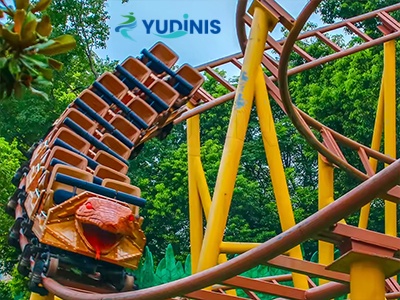
There are mainly two categories of roller coasters: steel coasters, and wooden coasters. Steel coasters are known to offer a smoother ride than wooden coasters and to be able to flip riders. Wooden coasters are known for their flat steel tracks and the ability to produce “airtime” by using negative g-forces at the top of certain hill elements. Hybrid roller coasters are a third classification type that combines wood and metal elements in the track and structure. Some roller coasters, for instance, use a steel track and a wooden support structure.
Guest Experiences for Every Age and Thrill Level
Roller coasters come in a wide variety of designs, ensuring that there’s something for everyone at the park—from the youngest guests to the most daring adrenaline enthusiasts.
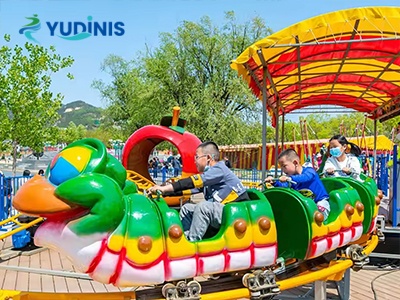
For families with children, gentle coasters like the classic Wacky Worm or Wild Mouse offer smaller drops and slower speeds, making them perfect introductions to the world of roller coasters. These rides are designed to provide excitement without overwhelming younger riders, allowing kids to build confidence and create lasting memories on their first thrill ride.
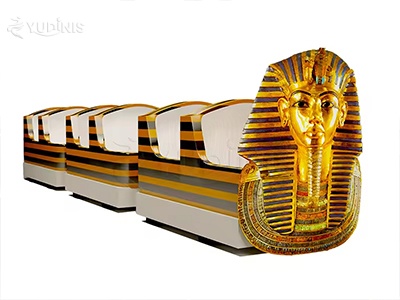
Families and groups looking for a shared experience often gravitate toward mid-sized wooden coasters or themed family coasters. These rides balance exhilarating motion with accessible heights and speeds. Themed coasters, such as those inspired by adventure movies or historical stories, often add an extra layer of enjoyment through immersive scenery and storytelling.
For adventure seekers craving an adrenaline rush, there are spinning coasters, inverted coasters, and high-speed steel coasters that flip, twist, and plunge at heart-pounding velocities. Rides like Cedar Point’s Steel Vengeance or Universal’s Harry Potter and the Escape from Gringotts demonstrate how cutting-edge technology delivers intense thrills and unique ride experiences.
By offering a diverse mix, amusement parks ensure that every guest—from cautious first-timers to coaster veterans—can find a roller coaster that matches their desired level of excitement.
Investing in a Roller Coaster: Is It Worth It?
Investing in a roller coaster can be highly profitable for amusement parks. They often serve as flagship attractions, drawing large crowds and increasing ticket sales, park visits, and merchandise revenue. However, they require significant upfront investment and maintenance costs. Roller coasters remain the king of thrill rides, constantly evolving with new technologies, record-breaking heights, and unique ride experiences. Whether you’re a thrill-seeker looking for your next ride or a park owner considering an investment, roller coasters are an undeniable crowd-puller that keeps guests coming back for more!
Key Investment Considerations for Roller Coasters
Before making a decision to purchase and install a roller coaster, there are several financial aspects to weigh carefully. First, initial acquisition costs can range widely depending on the size, type, and complexity of the ride. Steel roller coasters with advanced features and custom designs often come with higher price tags than more traditional wooden models.
In addition to purchase price, also factor in:
- Installation Expenses: Site preparation, construction, and theming can add substantial costs.
- Operational Costs: Ongoing expenses include staffing, routine inspections, insurance, and daily maintenance to keep everything safe and compliant.
- Annual Maintenance: Modern roller coasters, especially those with intricate track layouts, require regular upkeep—think replacement parts, lubrication, and safety checks.
However, roller coasters are typically the centerpiece of any amusement park, drawing in visitors and significantly increasing gate receipts, food and beverage sales, and branded merchandise opportunities. As crowd-pullers, they can deliver a robust return on investment (ROI) over time, especially when aligned with seasonal promotions and effective marketing strategies.
Before taking the plunge, it’s wise to analyze projected attendance spikes, estimated payback periods, and the potential for repeat visits driven by your new coaster. Partnering with experienced design firms and referencing case studies from parks like Cedar Point or Six Flags can also help in benchmarking your investment expectations.
How Are Roller Coasters Shipped and Delivered to Theme Parks?
When it comes to transporting roller coasters from the manufacturer to a theme park, every piece is carefully engineered for efficient delivery. Most modern roller coasters are designed with modular components, allowing all parts to be securely packed into standard shipping containers. This clever design ensures that nothing needs to be cut or altered, keeping each element intact and ready for straightforward assembly upon arrival.
Typically, manufacturers will carefully label and organize tracks, supports, and train cars. These pieces are then loaded, often with the help of heavy machinery, into containers that are shipped by sea or transported by truck—sometimes both, depending on the destination. Leading theme parks around the globe, from Six Flags to Universal Studios, utilize this method to safely receive their new rides in pristine condition, ready for installation.
Once everything reaches its destination, experienced teams unload the containers and begin the assembly process on site. This systematic approach not only speeds up installation but also minimizes the risk of damage during transport, ensuring every coaster arrives ready to thrill.
Why Are Roller Coasters So Popular?
First of all, roller coasters are designed to deliver intense physical sensations, such as high speeds, sudden drops, sharp turns, and inversions. These elements trigger the release of adrenaline, a hormone associated with the “fight or flight” response, which creates a thrilling experience. The controlled danger of a roller coaster allows riders to experience fear in a safe environment, providing a rush without real risk.
Then, roller coasters offer a break from everyday life, allowing riders to immerse themselves in a world of excitement and adventure. The sheer intensity of the experience provides a temporary escape from stress, work, or mundane routines. Conquering a fear of heights, speed, or roller coasters themselves can give riders a sense of achievement. Overcoming the initial anxiety and surviving the ride often leaves people feeling empowered and proud.
What’s more, roller coasters are often enjoyed with friends, family, or groups, making them a shared experience. The collective screams, laughter, and post-ride discussions create lasting memories and strengthen social bonds. Many people enjoy comparing their reactions or competing to see who can handle the most intense rides.
At last, the intricate designs and engineering marvels of roller coasters fascinate many enthusiasts. The combination of physics, technology, and creativity involved in building these structures is awe-inspiring. Themes, storytelling, and immersive environments add an extra layer of appeal, making the experience more than just a physical thrill.
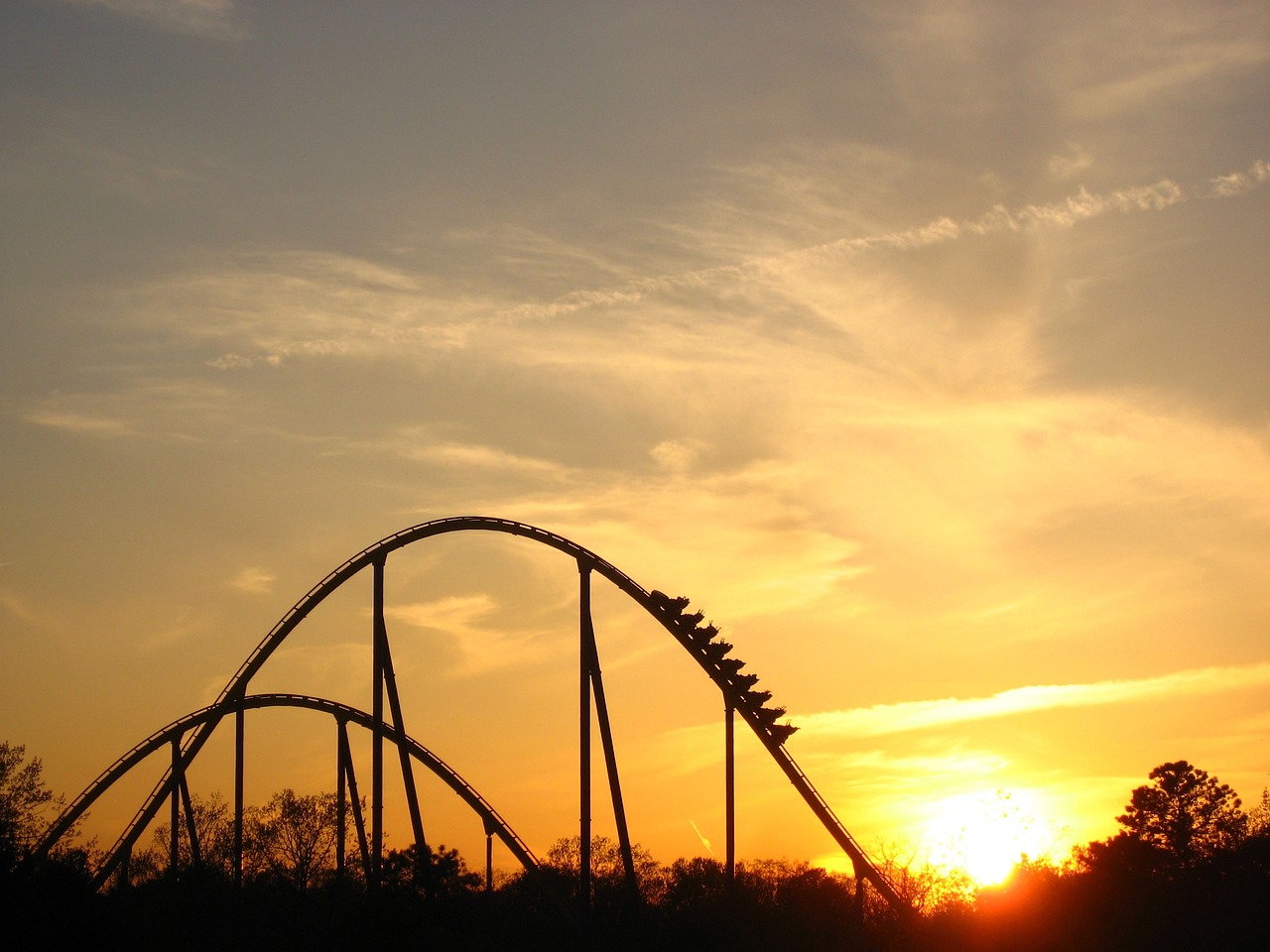
coaster ride
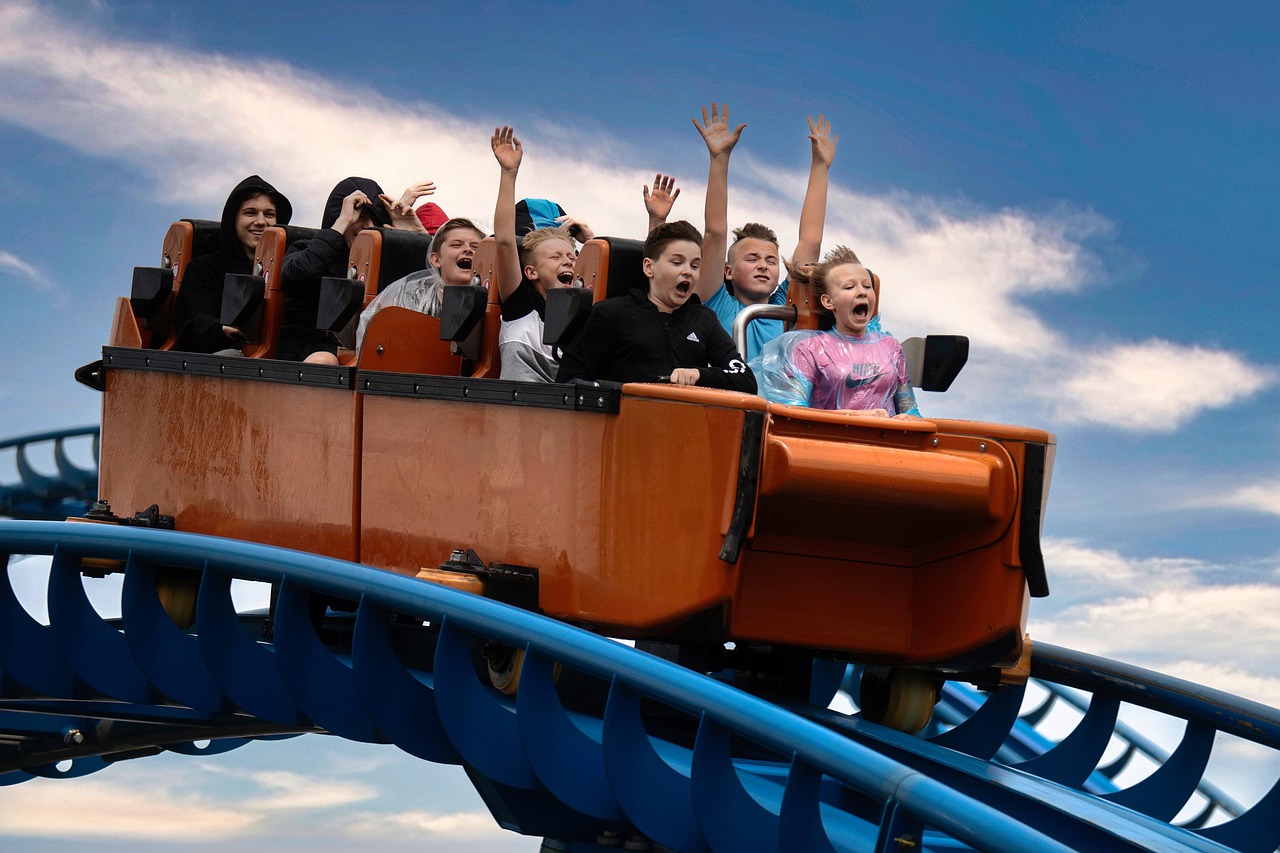
thrill coaster
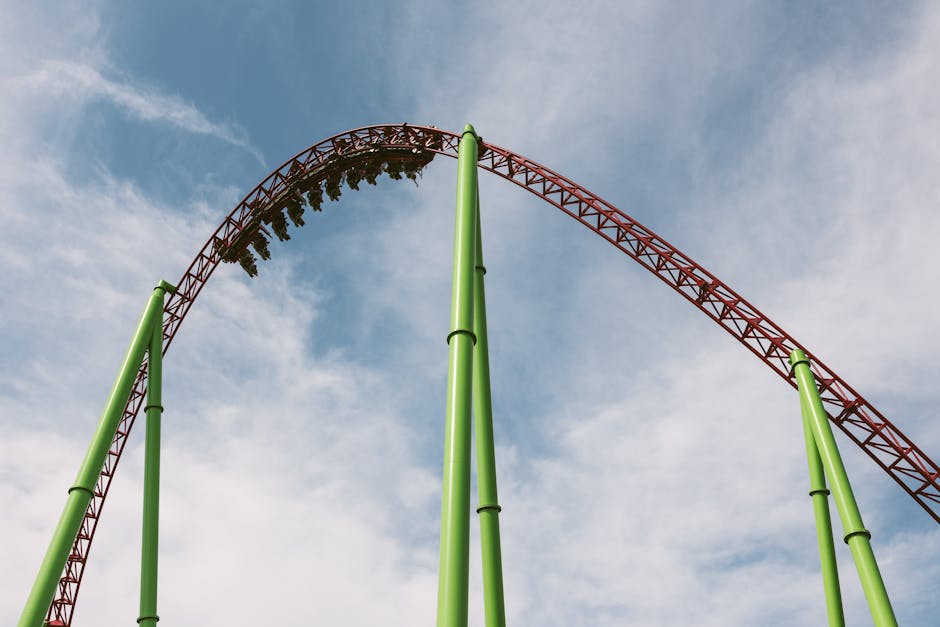
steel roller coaster
Dinis Roller Coasters
Dinis, one of the most reliable roller coaster suppliers, has produced many wonderful roller coasters and sold to many countries. The factory has more than 50000 square meters of area size, 200+ staff, and 80+ engineers. We have CE certificate, ISO certification, and high-tech industry title honors. One-site service from design to installation and custom service will be given to you if you buy amusement roller coasters from Dinis.
If you are looking for a roller coaster ride for your amusement park business, welcome to contact us. And also welcome to visit our factory and experience our coasters in person. We are waiting for your early inquiry.